
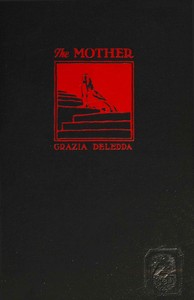
The mother by Grazia Deledda
Grazia Deledda won the Nobel Prize for literature, and after reading 'The Mother', I completely understand why. She writes about a world that feels both foreign and deeply familiar—a remote Sardinian village where the church bell dictates life and gossip is the real currency.
The Story
The plot is deceptively simple. Paul, a young priest, takes up his first post in the village of Aar. His mother, who has sacrificed everything for his vocation, moves with him. She is pious, proud, and sees her son as almost a saint. But Paul is hiding a passionate love affair with Agnes, a local woman with a 'scandalous' reputation. When his mother accidentally stumbles upon the truth, her life collapses inward. She is trapped. Exposing him would destroy him and disgrace her. Staying silent means watching him potentially commit a mortal sin and break his vows. The story unfolds over just a few tense days, focusing almost entirely on the mother's internal torment as she watches, waits, and prays in agony.
Why You Should Read It
This isn't an action-packed thriller; it's a psychological excavation. Deledda locks you inside the mother's head, and it's a claustrophobic, heartbreaking place to be. You feel the weight of her love, which is also her prison. The setting is a character itself—the harsh, beautiful Sardinian landscape mirrors the stark, unforgiving moral code of the village. What struck me most was how modern the conflict feels. It's about the masks we wear, the secrets families keep, and the terrible gap between who we are expected to be and who we really are. Paul isn't a villain; he's a man torn between two callings. His mother isn't just a symbol of faith; she's a woman whose entire identity is being stripped away.
Final Verdict
Perfect for readers who love character-driven stories and don't mind a slow, intense burn. If you enjoyed the emotional suffocation of novels like Ethan Frome or the moral dilemmas in Kazuo Ishiguro's work, you'll find a kindred spirit in Deledda. It's also a fantastic, accessible entry point into classic European literature. Just be prepared—it's a quiet novel that leaves a very loud echo in your mind.
This work has been identified as being free of known copyright restrictions. Knowledge should be free and accessible.
Matthew Harris
1 year agoI didn't expect much, but the depth of research presented here is truly commendable. I would gladly recommend this title.
Charles Williams
6 months agoI had low expectations initially, however the atmosphere created is totally immersive. Worth every second.
Barbara Williams
1 year agoI started reading out of curiosity and it challenges the reader's perspective in an intellectual way. One of the best books I've read this year.
Liam Moore
1 year agoBeautifully written.
Kenneth Jones
5 months agoGood quality content.