
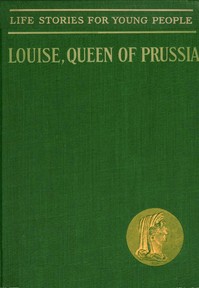
Louise, Queen of Prussia by Heinrich Merz
Heinrich Merz's biography of Queen Louise of Prussia pulls you right into a turbulent and fascinating period. Written in the 19th century, it has that classic, detailed style, but the drama at its core is utterly timeless.
The Story
The book follows Louise's life from her youth as a popular princess through her marriage to King Frederick William III. But the real story begins when Napoleon Bonaparte becomes the dominant force in Europe. Prussia is weak, hesitant, and ultimately crushed by the French emperor. We see Louise not as a distant royal, but as a wife and mother of nine, desperately trying to support her husband and protect her country. The narrative takes us through the humiliating defeat, the family's flight from Berlin, and their struggle in exile. It shows Louise's direct efforts to plead with Napoleon for better terms for Prussia—a moment of high personal drama. The book argues that her dignity, patriotism, and tragic early death from illness transformed her into a lasting symbol of national resistance and renewal for the German people.
Why You Should Read It
What grabbed me was how human Louise feels in these pages. This isn't a story about a perfect saint on a pedestal. It's about a woman using every tool she has—her intelligence, her charm, her moral authority—to fight for her family and her homeland when traditional power has failed. Merz clearly admires her, but he shows her in the context of a crumbling court and a fraught marriage. You get a real sense of the weight she carried. The history here is big—wars, empires, treaties—but it's always filtered through her personal experience. You understand the Napoleonic Wars in a new way when you see their cost through the eyes of a queen fleeing her palace.
Final Verdict
This is a perfect pick for readers who love historical biography but want to feel connected to the person behind the title. If you enjoyed the personal stakes in books like Victoria or Catherine the Great, you'll find a similar compelling figure here. It's also great for anyone interested in the Napoleonic era from a fresh, behind-the-throne perspective. Fair warning: the writing is from another time, so it's more formal than a modern book. But if you give it a chapter to settle in, you'll likely find yourself completely invested in Queen Louise's struggle and legacy.
This is a copyright-free edition. Share knowledge freely with the world.
Emma Young
6 months agoA bit long but worth it.
Daniel Clark
1 year agoGreat reference material for my coursework.






George Martinez
1 year agoGreat read!